
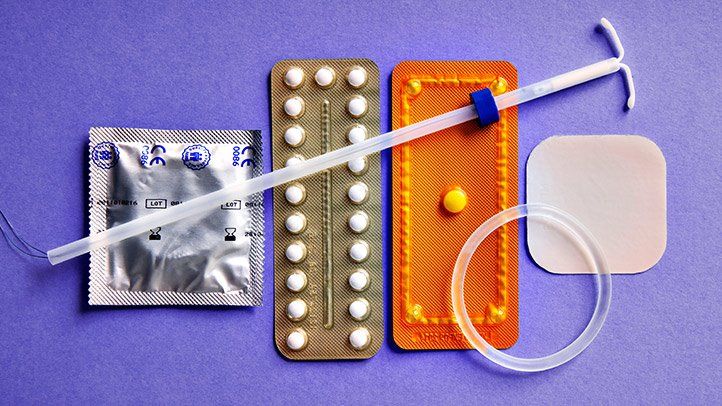
Type of Contraceptives
- Barrier Methods
Condoms (Male and Female):
These prevent sperm from reaching the egg by creating a physical barrier. Male condoms are worn over the penis, while female condoms are inserted into the vagina.Diaphragms and Cervical Caps:
These are devices inserted into the vagina to cover the cervix, preventing sperm from entering the uterus.Advantages:
Provide protection against some sexually transmitted infections (STIs).
No hormonal side effects.
Non-invasive and reversible.
Disadvantages:
Must be used consistently and correctly to be effective.
Interruption during sex for condom application.
Some people may have allergies to latex or other materials.
- Hormonal Methods
Birth Control Pills:
Oral contraceptives containing synthetic hormones (estrogen and/or progestin) that prevent ovulation, thicken cervical mucus, and alter the uterine lining.Birth Control Patches:
These are patches applied to the skin that release hormones to prevent ovulation and alter cervical mucus.Birth Control Injections:
Injectable contraceptives, usually administered every few months, contain progestin to prevent ovulation and alter cervical mucus.Hormonal Intrauterine Devices (IUDs):
These devices, inserted into the uterus, release hormones (usually progestin) to prevent ovulation, thicken cervical mucus, and create an unfavourable environment for sperm.Advantages:
Highly effective when used correctly.
Can regulate menstrual cycles and reduce menstrual cramps.
Some methods offer non-contraceptive health benefits, such as reduced risk of certain cancers and improved acne.
Disadvantages:
Requires consistent use and daily adherence for oral contraceptives.
Potential side effects, such as nausea, weight gain, mood changes.
Does not protect against STIs.
- Intrauterine Devices (IUDs)
Copper IUD:
A non-hormonal IUD that releases copper ions, creating an environment toxic to sperm and preventing fertilization.Hormonal IUD:
As mentioned earlier, releases progestin to prevent fertilization and alter cervical mucus.Advantages:
Long-lasting protection (3-12 years, depending on the type).
Highly effective with minimal user effort.
Hormonal IUDs can reduce menstrual bleeding and cramps.
Disadvantages:
Insertion may be uncomfortable or painful.
Some side effects, including irregular bleeding, are possible.
Does not protect against STIs.
- Sterilization
Tubal Ligation (for Women):
A surgical procedure where the fallopian tubes are blocked or cut to prevent the egg from meeting sperm.Vasectomy (for Men):
A surgical procedure where the vas deferens (tubes carrying sperm) are cut or sealed to prevent the release of sperm during ejaculation.Advantages:
Permanent and highly effective.
Eliminates the need for ongoing contraception.
No hormonal side effects.
Disadvantages:
Considered irreversible.
Surgical procedures carry inherent risks.
Does not protect against STIs.
- Emergency Contraception
Morning-After Pill:
High-dose hormonal pills taken after unprotected intercourse to prevent pregnancy by inhibiting or delaying ovulation.Advantages:
Can be effective in preventing pregnancy if taken soon after unprotected intercourse.
Readily available over-the-counter in many places.
Does not affect future fertility.
Disadvantages:
Must be taken within a specific time frame to be effective.
Not intended for regular use.
Potential side effects, including nausea.
It’s important to note that individual responses to contraceptives can vary, and what works well for one person may not be suitable for another. Additionally, considerations such as health status, lifestyle, and future family planning goals should influence the choice of contraceptive method. Seeking guidance from a healthcare professional is crucial to make an informed decision based on individual circumstances.