

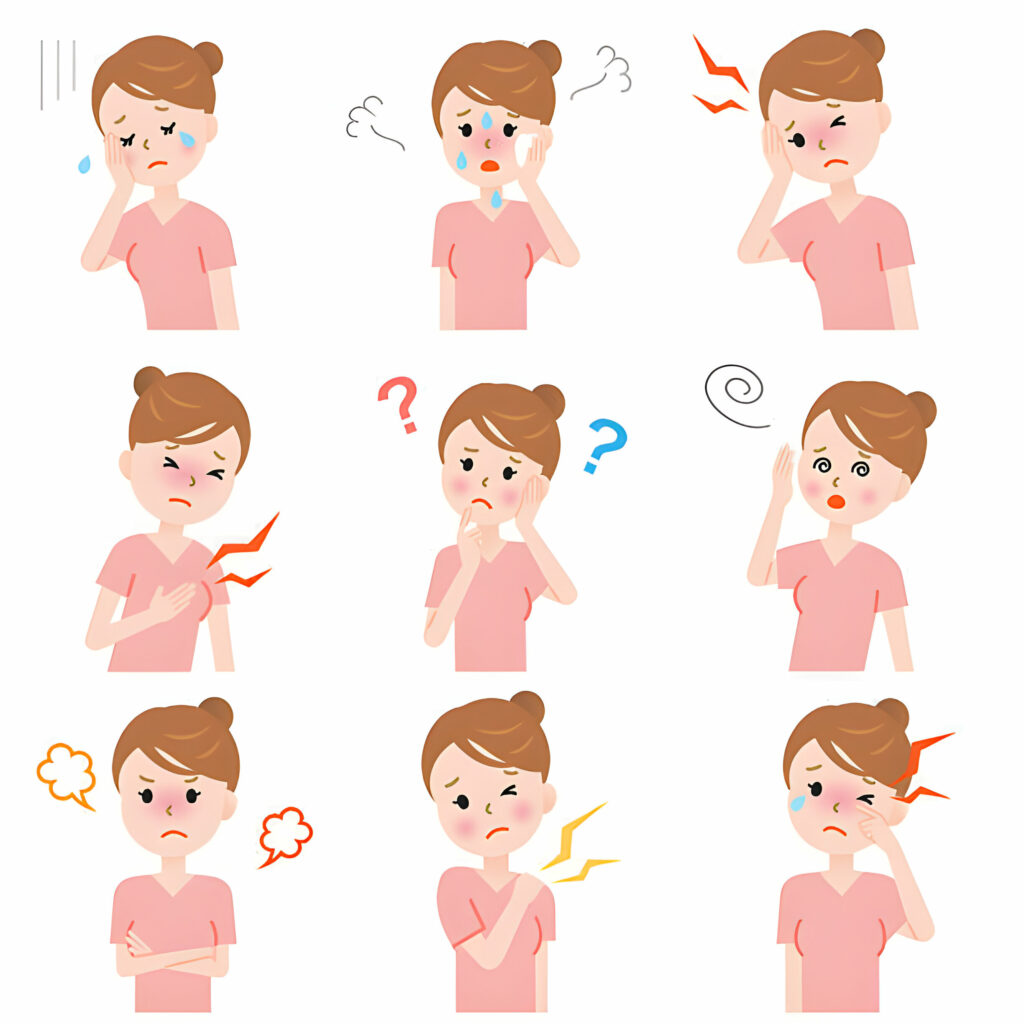
Moods and emotions fluctuate during the teenage years, as it is a natural part of life for pre-teens and adolescents, continuing into adulthood. This transitional phase involves a shift in behaviour from childlike tendencies to more adult-like characteristics. Teenagers may display a range of emotions, from cheerfulness and excitement to moments of sadness or anger. During this time, they often seek privacy and the opportunity to explore their own identities.
For example, teenagers may exhibit a sense of self-assuredness, feeling that they understand everything and can discern right from wrong. However, this behaviour is part of their learning process as they navigate the complexities of adolescence. The mood swings experienced by teenagers are normal and inherent to their development.
Adolescence is a critical period marked by various physiological, psychological, and social changes, contributing to the emotional ups and downs that teenagers experience. Understanding these factors is essential for parents and caregivers to provide the necessary support and guidance.
-
Physiological Changes:
1) Hormonal Fluctuations: Puberty brings about significant hormonal changes, including increased levels of hormones like estrogen and testosterone. These hormonal fluctuations can impact mood regulation and emotional responses.
2) Brain Development: The adolescent brain undergoes substantial development, particularly in the prefrontal cortex responsible for decision-making and emotional regulation. This process can lead to increased emotional sensitivity and reactivity. -
Body Image and Self-Identity:
1) Self-Consciousness: Adolescents often become more self-conscious about their changing bodies. Physical changes, such as growth spurts, acne, or the development of secondary sexual characteristics, may lead to feelings of insecurity or embarrassment.
2) Identity Formation: Teens are actively exploring their identities, trying to understand who they are and where they fit in. This journey of self-discovery can contribute to emotional turbulence as they grapple with societal expectations and peer influences. -
Privacy and Independence:
1) Need for Privacy: As teenagers seek independence, privacy becomes crucial. They may withdraw or become more guarded about their thoughts and emotions, making it challenging for parents to understand their experiences.
2) Defining Boundaries: Establishing autonomy is a vital aspect of adolescence. Conflicts may arise as teenagers attempt to define boundaries and assert their individuality, leading to emotional ups and downs. -
Sleep Patterns:
1) Importance of Sleep: Teenagers require 8-10 hours of sleep per night for optimal physical and mental well-being. Insufficient sleep can contribute to mood disturbances, including irritability, anxiety, and difficulty concentrating.
2) Circadian Rhythms: Adolescents often experience a shift in their circadian rhythms, making it challenging for them to fall asleep early. School schedules and extracurricular activities may further disrupt their sleep patterns. -
Social and Peer Influences:
1) Peer Pressure: Adolescents are highly influenced by their peers. The desire to fit in or meet societal expectations can contribute to stress and emotional fluctuations.
2) Social Relationships: Navigating friendships and romantic relationships can be emotionally challenging. Conflicts, breakups, or peer dynamics may contribute to mood swings.
Recognizing and addressing these factors is crucial for fostering a supportive environment. Parents, educators, and caregivers can play a vital role by providing understanding, open communication, and guidance during this complex transitional period. Additionally, promoting healthy lifestyle habits, including adequate sleep and balanced nutrition, can positively impact teenagers’ emotional well-being. -
Nutrition, Eating Habits, and Physical Activity:
Nutrition and eating habits are crucial factors influencing mood in children. A well-balanced and nutritious diet is essential for overall health, including mental well-being.
Regular physical activity is equally important, as exercise has been shown to positively impact mood by releasing endorphins, which are often referred to as “feel-good” hormones.
Therefore, maintaining a healthy diet and encouraging regular exercise can contribute significantly to regulating the mood of children. -
Brain and Hormonal Factors:
As the body undergoes changes, particularly during puberty, hormonal fluctuations occur. This hormonal surge is associated with both physical changes and emotional responses.
For instance, the emergence of sex hormones during puberty can lead to the development of sexual feelings. These sudden and sometimes intense emotions can be unexpected triggers, causing confusion for the child.
It’s important to acknowledge and address these changes in a supportive manner, helping children navigate through this transformative period in their lives. -
Brain Development and Emotional Regulation:
The brain undergoes continuous development until the early twenties. The Prefrontal Cortex, responsible for executive functions such as decision-making, impulse control, and emotional regulation, is the last section to mature.
The Prefrontal Cortex is closely connected to areas responsible for managing emotions. Therefore, as the brain matures, a child’s ability to regulate and manage their emotions also improves over time.
Understanding this ongoing developmental process is crucial for parents and caregivers in providing appropriate support and guidance to children as they navigate the challenges of growing up.
Solutions
-
Navigating a child’s emotional and social development involves understanding and addressing the various factors that contribute to their changing behaviour.
-
As children grow, they encounter new thoughts, emotions, friendships, and responsibilities, which can sometimes lead to stronger and more complex emotional reactions.
-
Additionally, family issues and behavioural changes can further impact their mood.
-
Children, especially teenagers, may find it challenging to comprehend their own thoughts and emotions. This might result in them expressing their feelings through seemingly negative behaviours, such as anger.
-
In such situations, it is crucial for parents to replace punitive reactions with supportive responses.
-
Offering support and help, parents can encourage their children to navigate these challenges and learn effective coping mechanisms.
-
Communication plays a pivotal role during this time.
-
Parents should actively engage with their children, listen to their feelings without judgment, and spend quality time together.
-
Using relatable examples can help them better understand their emotions and provide insights into potential solutions for various situations.
-
Furthermore, giving children space is essential for their personal growth.
-
Allowing them the autonomy to solve problems on their own helps build their problem-solving skills and fosters a sense of independence.
-
Parents should strike a balance between offering guidance and giving their children the space they need to explore and understand their emotions.

Note:-
However, if a teenager consistently exhibits signs of prolonged sadness, irritability, or struggles with daily activities for more than two weeks, it may indicate a more serious underlying issue. Unusual behaviour patterns should not be dismissed, and seeking professional help from a doctor or counsellor is crucial. Proper treatment and support are vital to address any potential mental health concerns and ensure the well-being of the child.