
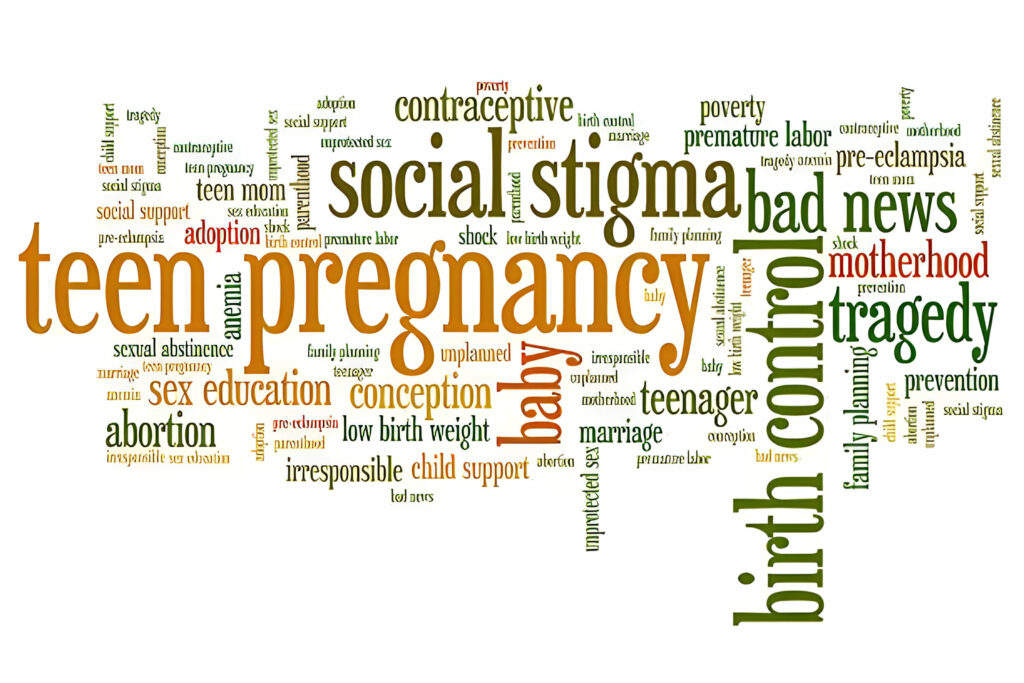
Signs of early pregnancy include:
-
Missing your periods or getting very light periods: A noticeable change in your menstrual cycle.
-
Breast Internals: Tenderness, swelling, or darkened nipples.
-
Nausea and Vomiting: Commonly known as morning sickness.
-
Feeling very tired: Feeling unusually tired or exhausted.
Early pregnancy can carry increased risks, especially if the mother is of a younger age, which can elevate the chances of complications.

What are the solutions:
-
The most important step is communication. They might not have much information about this, but it’s crucial they receive proper sexual education from school and from you.
-
It’s vital to educate them about safe sex because hormonal changes can make them feel impulsive and anxious. You need to reassure them that nothing wrong is happening within them; it’s all due to hormonal shifts, which are common in teenagers.
-
Teach them about the risks associated with unprotected sex as it can lead to life-altering consequences such as HIV and other sexually transmitted infections. Providing knowledge and guidance about this is crucial.
Dealing and way to prevent teenager pregnancy:
-
Sex Education:
Providing comprehensive and accurate information about sex and relationships.
-
Contraceptive Use:
Educating teenagers about the various forms of contraception available and how to use them effectively.
-
Avoiding Early Marriage:
Discouraging early marriage as it can contribute to higher chances of teenage pregnancy.
-
Limiting Influence From Social Media:
Encouraging a critical approach towards media content that may promote risky behaviors.
-
Seeking Counseling:
Offering access to counseling services to address any emotional or psychological issues.
-
Teaching Proper Contraceptive Use:
Educating on the correct methods and practices of contraception.
-
Building A Strong Relationship:
Developing a healthy and open relationship between parents/guardians and teenagers to facilitate discussions about sensitive topics.
-
Monitoring Activities And Behavior:
Keeping an eye on their activities while respecting their privacy, helping to guide and support them through challenges they may face.

Tips:
-
An essential step is educating your children properly about sex education.
-
It’s crucial for both girls and boys to understand their bodies and how they function.
-
In case such situations arise, it’s important not to panic, blame, or use harsh words.
-
Seek advice from a trusted gynecologist and refrain from discussing these matters openly in your community..
-
It’s advisable to seek a doctor’s opinion and maintain confidentiality regarding these issues.